
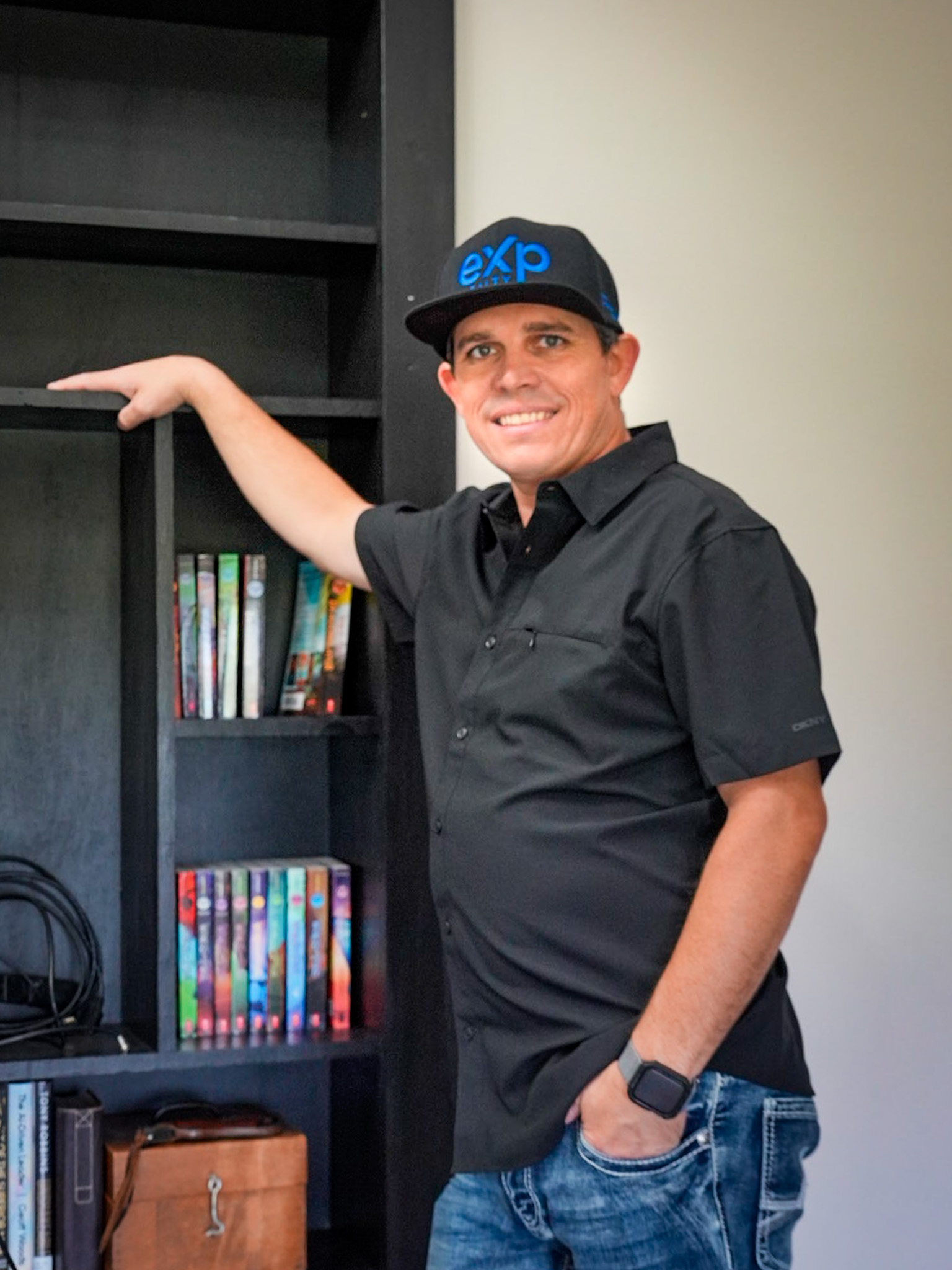
Travis Wright
Travis Wright is an eXp Realty ICON Agent and one of eXp Realty's Top 250 Individual Agents in the United States, RealTrends Verified, specializing in move-in-ready new construction in Elgin, military PCS relocation to Fort Sill, and helping Southwest Oklahoma homeowners sell their homes.
More about TravisDuring a remote home tour near Fort Sill, ask questions that reveal what photos cannot: street feel, noise, drainage, exterior condition, commute reality, storage, maintenance red flags, and how the home fits your daily PCS routine. The goal is not to make a house look good on video. The goal is to decide whether the home, neighborhood, and location still make sense when you are not there in person.
For out-of-state buyers moving to Fort Sill, a video tour can be one of the most important decision points in the entire purchase. It may be the moment when a Lawton home feels convenient, an Elgin home feels like the better family rhythm, a Cache property offers the space you wanted, or a Medicine Park home looks charming but needs more practical scrutiny.
A remote tour should be more than a slow walk through pretty rooms. It should be a structured risk-reduction conversation. If you are still building your broader plan, start with the out-of-state buying guide and the Fort Sill relocation guide so the tour fits your timeline, commute, and financing reality.
What Should Be Clear Before the Remote Tour Starts?
Before anyone opens the front door on video, get clear on what you are trying to prove or disprove. A remote tour goes better when the buyer already knows the basic search filter: price range, loan type, ideal arrival window, maximum commute comfort, and the areas that make the most sense.
For Fort Sill buyers, this usually means answering a few practical questions first:
- Which gate or side of post will shape the commute most often?
- Is convenience more important than space, or is a quieter community worth a longer drive?
- Are you comparing Lawton, Elgin, Cache, and Medicine Park as equal options, or are some already less realistic?
- Does your loan type require extra attention to property condition or repair items?
- How quickly would you need to write an offer if the home checks out?
Travis Wright can help you evaluate real estate fit, local area context, offer strategy, and what questions to ask next. He is not a lender, inspector, attorney, insurance advisor, or tax professional. For financing rules, legal questions, insurance risk, tax implications, and property condition conclusions, rely on the appropriate professionals.
What Questions Should You Ask During the Walkthrough?
The best remote tour questions are specific. Instead of asking, “Does it look nice?” ask for evidence. Ask the person filming to slow down, open doors, show transitions, step outside, and describe what the camera cannot fully communicate.
| Tour area | Questions to ask | Why it matters remotely |
|---|---|---|
| Street and surroundings | What do you hear outside? What is across the street and next door? How does the road feel? | Listing photos rarely show traffic rhythm, noise, nearby land use, or overall street feel. |
| Exterior and lot | Do you see grading issues, standing water clues, cracked concrete, roof concerns, or drainage paths? | Southwest Oklahoma weather can make drainage, roof age, and exterior condition especially important. |
| Interior condition | Can you show ceilings, baseboards, windows, under sinks, HVAC area, and flooring transitions? | Remote buyers need a closer look at the places where maintenance clues usually hide. |
| Layout and storage | Where do daily bags, uniforms, sports gear, groceries, pets, and kids’ items actually go? | A floor plan can look fine online but fail the daily routine of a military household. |
| Commute and services | How does this location connect to Fort Sill, groceries, medical care, schools, and errands? | The right house in the wrong daily pattern can become frustrating fast. |
Also ask for a “normal speed” view. Wide-angle photos can make rooms feel larger. A quick video can hide awkward transitions. A careful remote tour should move slowly enough for you to understand how the home actually lives.
What Local Context Matters Around Fort Sill?
Remote buyers near Fort Sill are not just buying a structure. They are choosing a daily operating system in Southwest Oklahoma. That is why local context matters as much as bedroom count.
In Lawton, buyers often care about convenience, commute routes, services, and neighborhood-by-neighborhood differences. A Lawton home may be highly practical for base access, but you still want to understand the immediate street, nearby roads, condition, and resale audience.
In Elgin, buyers may be drawn to a suburban feel, newer-home searches, and family routines. The remote tour should pay attention to commute comfort, price range, and whether the home still fits if inventory is tight or timelines shift.
In Cache, space and quieter pace can be part of the appeal. Ask whether the drive, available services, internet needs, and property maintenance match your household. In Medicine Park, character and scenery can be compelling, but buyers should look closely at property uniqueness, parking, tourism-season activity, and resale audience.
Use the buying guidance page to connect these local questions to the actual purchase process: lender readiness, inspection timelines, offer terms, and what you need to know before making a decision from another state.
What Do Remote Buyers Often Get Wrong?
What people often get wrong: They treat a remote tour like a replacement for being there. It is not. A good video tour is a filter. It helps you decide whether the home deserves an offer, more due diligence, or a quick no. It should not make you ignore inspections, documents, lender guidance, insurance questions, or your own comfort level.
Another misconception is that the nicest-looking interior is automatically the safest remote choice. Sometimes the more important questions are outside the frame: roof age, drainage, road noise, the neighbor’s property condition, the route to Fort Sill, or whether the area fits your family’s daily rhythm.
Buyers can also over-focus on the house and under-focus on the exit. Military families may not stay as long as they expect. If orders change, the home should make sense not only for your arrival, but also for future resale or rental conversations. That does not mean every home must be perfect. It means the tradeoffs should be understood before you commit.
What Should You Do After a Remote Tour?
After the tour, pause before you decide emotionally. Sort your notes into three buckets: green lights, yellow flags, and red flags. Green lights support the offer. Yellow flags need more information. Red flags may mean the home is not worth the risk unless there is a strong reason to continue.
Use this quick post-tour checklist:
- Confirm the commute. Review the likely route to Fort Sill at realistic times of day when possible.
- Request follow-up clips. Ask for another look at anything unclear, especially exterior areas, utilities, windows, roofline, and street context.
- Talk through offer risk. Discuss price, contingencies, inspection timing, appraisal considerations, and seller response strategy with your agent and lender.
- Use official PCS planning tools. Military OneSource has moving and PCS checklists that can help you keep the real estate decision aligned with the rest of your move.
- Decide what you still need to know. If the answer is “too much,” slow down or move on.
If you want help using this process, reach out through the contact page. Travis can help you compare the home, the area, and the remote-buying risk in a calm, practical way before you make an offer near Fort Sill.
Remote Home Tour FAQs Near Fort Sill
Can I make an offer after only seeing a home by video?
Yes, some out-of-state buyers do, especially during tight PCS timelines. The safer approach is to combine a detailed video tour with local context, lender readiness, appropriate contingencies, professional inspections, and enough time to review the documents before committing.
Are remote tours enough to judge neighborhoods near Fort Sill?
They can help, but they are not enough by themselves. You should also compare commute routes, nearby services, street feel, school conversations, resale practicality, and whether the area fits your routine in Lawton, Elgin, Cache, or Medicine Park.
What is the biggest red flag during a remote tour?
The biggest red flag is not one specific defect. It is uncertainty that nobody can answer clearly. If the video skips important areas, avoids exterior context, rushes through condition concerns, or cannot explain the location tradeoffs, you should ask for more information before moving forward.
Want a Second Set of Local Eyes?
If you are buying from another state, Travis can help you slow the decision down enough to see the real tradeoffs: commute, area fit, condition, resale, and whether the home supports your Fort Sill move.
Need move-specific guidance?
Talk through your Fort Sill move with someone who knows the local tradeoffs.
Travis helps military families, out-of-state buyers, and relocation sellers sort through timelines, area choices, and next steps with clear local context.
Related reading
Keep building your relocation plan
Out-of-State Buying Guide
Build a safer remote buying plan before you write an offer from another state.
Fort Sill Relocation Guide
Understand the bigger PCS timeline, area decisions, and local tradeoffs.
Compare Small Towns
Review Lawton, Elgin, Cache, and Medicine Park before narrowing your search.